Showing 49–72 of 81 results
-

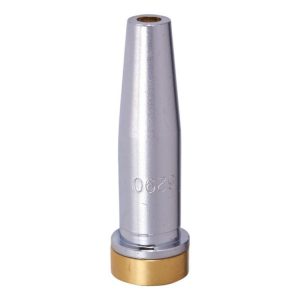
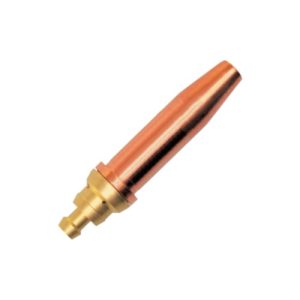
TAURUS LPG NX 5 CUTTING NOZZLE-6290
Description TAURUS NX nozzles are flat based, use oxygen and LPG and fit onto the TAURUS 62-3F cutting torches. Six sizes are available and depending on the nozzle size and gas equipment can cut metal up to 300mm thick. DESCRIPTION VALUE SIZE NX5 MATERIAL THICKNESS (mm) 150 – 200 OXYGEN PRESSURE (kPa) 450 –…
-
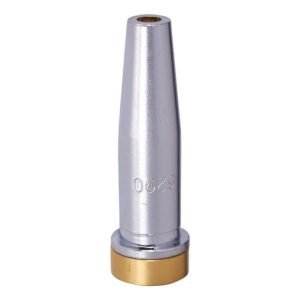
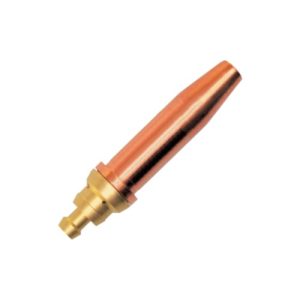
TAURUS LPG NX 6 CUTTING NOZZLE-6290
Description TAURUS NX nozzles are flat based, use oxygen and LPG and fit onto the TAURUS 62-3F cutting torches. Six sizes are available and depending on the nozzle size and gas equipment can cut metal up to 300mm thick. DESCRIPTION VALUE SIZE NX6 MATERIAL THICKNESS (mm) 200 – 300 OXYGEN PRESSURE (kPa) 500 –…
-
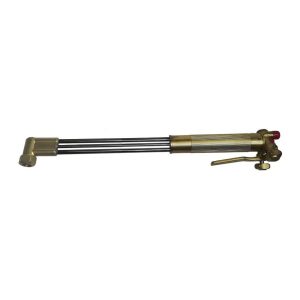
TAURUS MOD28 CUTTING TORCH – 9/16
Description The Taurus MOD28 a 500mm heavy-duty, versatile and robust cutting torch has a 90 degree angled head. Taurus 2890-F or 2890-P threaded nozzles must be fitted. The torch can cut through steel up to 300mm thick. Oxygen and acetylene or oxygen and LPG or propane gas can be used. DESCRIPTION VALUE Model MOD28…
-
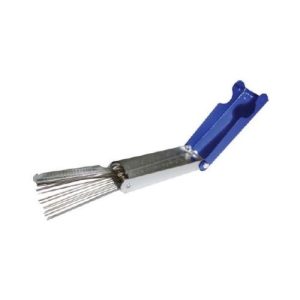
TAURUS NOZZLE CLEANER
Description The TAURUS nozzle cleaner is fitted with a selection of abrasive miniature wire brushes ranging from 0.8mm diameter to 3.2mm diameter. The set is encased in a strong aluminium container and includes a small file. The abrasive brushes remove carbon buildup and loosen slag from nozzles.
-
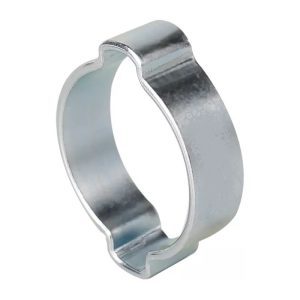
TAURUS OETIKER CLAMP 15-18 – 2 EAR – 8MM HOSE
Description The Oetiker style clamp has two ears that needs to be crimped once the tail piece is connected to the gas hose. In order to reduce the risk of hose damage, the clamp edges are deburred. It is also considered to be a safer option to the traditional screw-type hose clamp. For safety reasons…
-
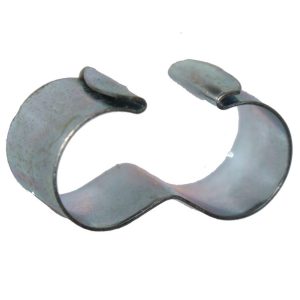
TAURUS PARALLEL CLAMP-8MM
Description Parallel hose clamps keep two gas hoses running together in parallel. A parallel clamp fitted every 750mm will keep the hoses neatly together and will prevent unnecessary damage. DESCRIPTION VALUE HOSE SIZE 8mm FASTEN TYPE CLIP-ON
-
TAURUS PNM 0.8 CUTTING NOZZLE 1/32
Description These nozzles utilise the nozzle-mix principle whereby the fuel gas and preheated oxygen are kept separate right up to the nozzle and are only mixed once inside the the nozzle preheat orifices. The nozzle mixing process ensures that the volume of mixed gas is kept to the absolute minimum and thereby reduces the occurrence…
-
TAURUS PNM 1.2 CUTTING NOZZLE 3/64
Description These nozzles utilise the nozzle-mix principle whereby the fuel gas and preheated oxygen are kept separate right up to the nozzle and are only mixed once inside the the nozzle preheat orifices. The nozzle mixing process ensures that the volume of mixed gas is kept to the absolute minimum and thereby reduces the occurrence…
-
TAURUS PNM 1.6 CUTTING NOZZLE 1/16
Description These nozzles utilise the nozzle-mix principle whereby the fuel gas and preheated oxygen are kept separate right up to the nozzle and are only mixed once inside the the nozzle preheat orifices. The nozzle mixing process ensures that the volume of mixed gas is kept to the absolute minimum and thereby reduces the occurrence…
-
TAURUS PNM 2.0 CUTTING NOZZLE 5/64
Description These nozzles utilise the nozzle-mix principle whereby the fuel gas and preheated oxygen are kept separate right up to the nozzle and are only mixed once inside the the nozzle preheat orifices. The nozzle mixing process ensures that the volume of mixed gas is kept to the absolute minimum and thereby reduces the occurrence…
-
TAURUS PNM 2.4 CUTTING NOZZLE 3/32
Description These nozzles utilise the nozzle-mix principle whereby the fuel gas and preheated oxygen are kept separate right up to the nozzle and are only mixed once inside the the nozzle preheat orifices. The nozzle mixing process ensures that the volume of mixed gas is kept to the absolute minimum and thereby reduces the occurrence…
-
TAURUS PNM 2.8 CUTTING NOZZLE 7/64
Description These nozzles utilise the nozzle-mix principle whereby the fuel gas and preheated oxygen are kept separate right up to the nozzle and are only mixed once inside the the nozzle preheat orifices. The nozzle mixing process ensures that the volume of mixed gas is kept to the absolute minimum and thereby reduces the occurrence…
-
TAURUS PNM 3.2 CUTTING NOZZLE 1/8
Description These nozzles utilise the nozzle-mix principle whereby the fuel gas and preheated oxygen are kept separate right up to the nozzle and are only mixed once inside the the nozzle preheat orifices. The nozzle mixing process ensures that the volume of mixed gas is kept to the absolute minimum and thereby reduces the occurrence…
-
TAURUS PNME 0.8 CUTTING NOZZLE 1/32
Description These nozzles utilise the nozzle-mix principle whereby the fuel gas and preheated oxygen are kept separate right up to the nozzle and are only mixed once inside the the nozzle preheat orifices. The nozzle mixing process ensures that the volume of mixed gas is kept to the absolute minimum and thereby reduces the occurrence…
-
TAURUS PNME 1.2 CUTTING NOZZLE 3/64
Description These nozzles utilise the nozzle-mix principle whereby the fuel gas and preheated oxygen are kept separate right up to the nozzle and are only mixed once inside the the nozzle preheat orifices. The nozzle mixing process ensures that the volume of mixed gas is kept to the absolute minimum and thereby reduces the occurrence…
-
TAURUS PNME 1.6 CUTTING NOZZLE 1/16
Description These nozzles utilise the nozzle-mix principle whereby the fuel gas and preheated oxygen are kept separate right up to the nozzle and are only mixed once inside the the nozzle preheat orifices. The nozzle mixing process ensures that the volume of mixed gas is kept to the absolute minimum and thereby reduces the occurrence…
-
TAURUS PNME 2.0 CUTTING NOZZLE 5/64
Description These nozzles utilise the nozzle-mix principle whereby the fuel gas and preheated oxygen are kept separate right up to the nozzle and are only mixed once inside the the nozzle preheat orifices. The nozzle mixing process ensures that the volume of mixed gas is kept to the absolute minimum and thereby reduces the occurrence…
-
TAURUS PNME 2.4 CUTTING NOZZLE 3/32
Description These nozzles utilise the nozzle-mix principle whereby the fuel gas and preheated oxygen are kept separate right up to the nozzle and are only mixed once inside the the nozzle preheat orifices. The nozzle mixing process ensures that the volume of mixed gas is kept to the absolute minimum and thereby reduces the occurrence…
-
TAURUS PNME 2.8 CUTTING NOZZLE 7/64
Description These nozzles utilise the nozzle-mix principle whereby the fuel gas and preheated oxygen are kept separate right up to the nozzle and are only mixed once inside the the nozzle preheat orifices. The nozzle mixing process ensures that the volume of mixed gas is kept to the absolute minimum and thereby reduces the occurrence…
-
TAURUS PNME 3.2 CUTTING NOZZLE 1/8
Description These nozzles utilise the nozzle-mix principle whereby the fuel gas and preheated oxygen are kept separate right up to the nozzle and are only mixed once inside the the nozzle preheat orifices. The nozzle mixing process ensures that the volume of mixed gas is kept to the absolute minimum and thereby reduces the occurrence…
-
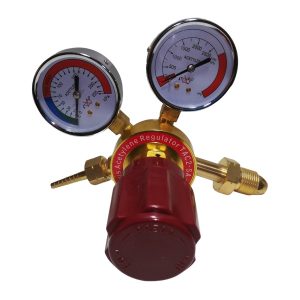
TAURUS REGULATOR-ACY-1 STAGE-2G
Description The primary function of a gas regulator is to reduce high-pressure gas in a cylinder or process line to a lower, more usable level. A regulator is not a flow control device. It is used to control delivery pressure only. It has two gauges, one to measure the inlet pressure and the other to…
-
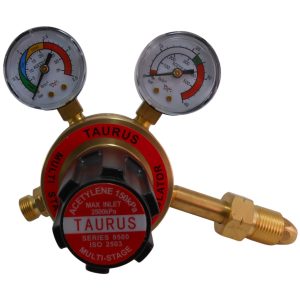
TAURUS REGULATOR-ACY-2 STAGE-2G
Description The Taurus double-stage regulator is designed to lower the high pressure gas from a gas cylinder to a usable outlet pressure in two stages. It requires less readjustment and provides a more constant delivery pressure despite changes in inlet pressure. It is exceptionally well suited for high-pressure cylinder applications and where stable outlet pressure…
-
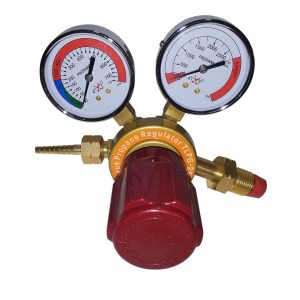
TAURUS REGULATOR-LPG-1 STAGE-2G
Description The primary function of a gas regulator is to reduce high-pressure gas in a cylinder or process line to a lower, more usable level. A regulator is not a flow control device. It is used to control delivery pressure only. It has two gauges, one to measure the inlet pressure and the other to…
-
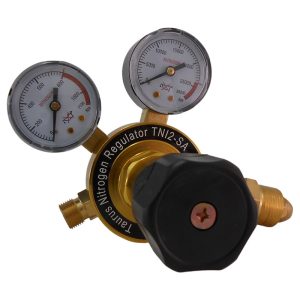
TAURUS REGULATOR-NITROGEN-1 STAGE-2G-8BAR
Description The primary function of a gas regulator is to reduce high-pressure gas in a cylinder or process line to a lower, more usable level. A regulator is not a flow control device. It is used to control delivery pressure only. It has two gauges, one to measure the inlet pressure and the other to…